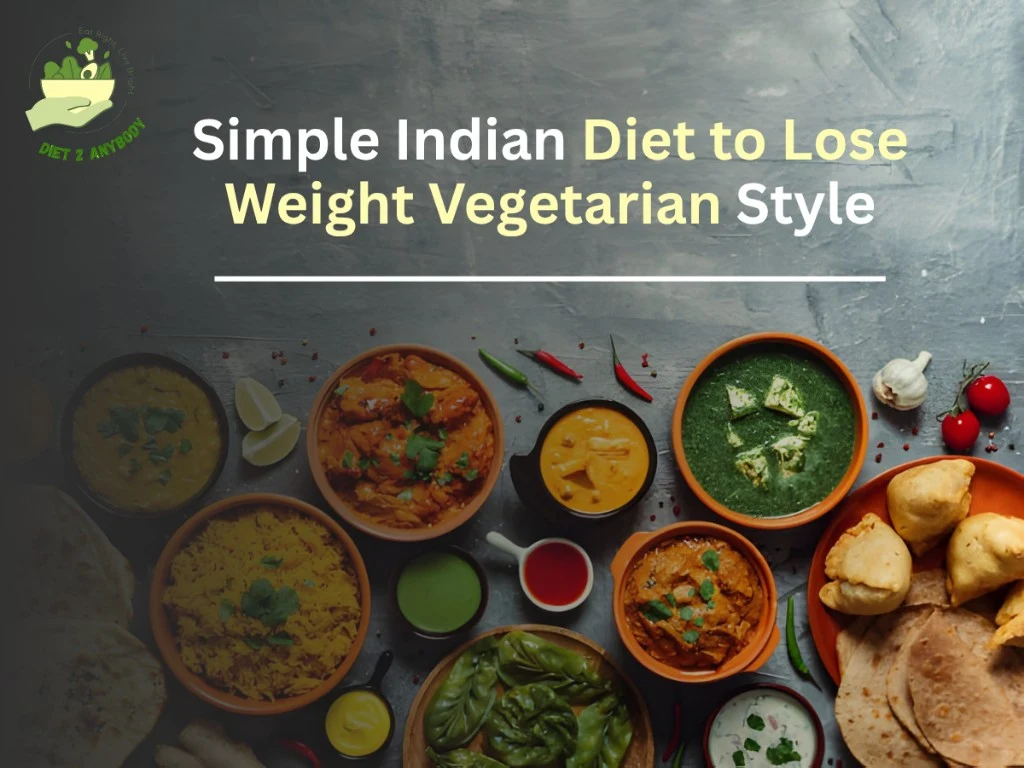
Losing weight does not mean giving up favorite Indian foods. The Indian Food Diet Plan for Weight Loss focuses on balance: the right portions of healthy, home-cooked meals made with local ingredients. It is a sustainable lifestyle change that helps you lose weight while staying energetic.
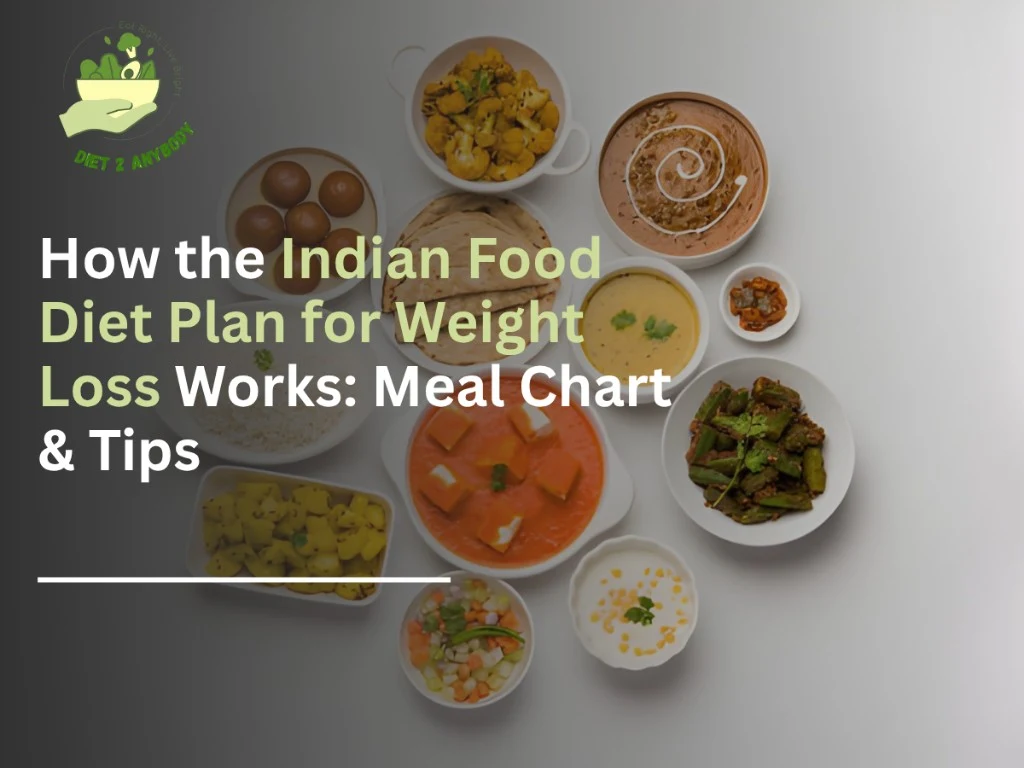
Why choose an Indian food diet plan for weight loss
The strength of an Indian diet plan for weight loss is variety and nutrition. Traditional meals can include fiber, protein, and good fats. When portions and cooking methods are right, they support calorie control and metabolism.
Benefits include
- Steady progress - Promotes gradual, sustainable weight loss for many people.
- Energy - Helps keep energy more stable than extreme crash plans.
- Digestion - Fiber-rich dals, vegetables, and whole grains support gut health.
- Local foods - Uses ingredients that are easy to find and affordable.
- Flexibility - Works for vegetarians and non-vegetarians with simple swaps.
How the Indian food diet plan for weight loss works
1. **Balanced meals** - Each meal combines carbohydrates, protein, and fiber in sensible proportions. 2. **Portion control** - Smaller, regular meals can keep metabolism steadier than huge occasional feasts. 3. **Hydration** - Enough water and light herbal drinks support digestion and energy. 4. **Meal timing** - Earlier dinners and regular meal times can help some people with fat metabolism and sleep. 5. **Whole foods** - Prioritize fresh, home-cooked food over heavily processed snacks.
Sample 7-day Indian food diet meal chart
Use this as inspiration; adjust calories and portions to your needs.
Day 1 — Breakfast: oats with fruit. Lunch: brown rice, dal, salad. Dinner: vegetable soup with roti.
Day 2 — Breakfast: poha or upma. Lunch: quinoa bowl with curd. Dinner: grilled paneer or tofu with vegetables.
Day 3 — Breakfast: moong dal chilla. Lunch: chapati with sabzi. Dinner: daliya with vegetables.
Day 4 — Breakfast: idli with sambar. Lunch: lemon rice with sprouts. Dinner: vegetable khichdi.
Day 5 — Breakfast: smoothie bowl. Lunch: millet roti with dal. Dinner: soup and grilled vegetables.
Day 6 — Breakfast: vegetable omelet or besan chilla (veg). Lunch: brown rice with fish or plant protein curry. Dinner: roti and green salad.
Day 7 — Breakfast: besan chilla. Lunch: mixed veg pulao with raita. Dinner: steamed vegetables with dal.
Tips to get the best results
- Cut liquid calories - Limit sugary drinks and juices with added sugar.
- Move daily - Walk or do yoga for at least 30 minutes on most days.
- Do not skip meals - Especially if it leads to overeating later.
- Protein every meal - Dal, paneer, sprouts, eggs, or fish as per your diet.
- Sleep - Aim for 7 to 8 hours to support hunger hormones.
Indian food diet plan vs GM diet plan
People often compare a structured Indian weight-loss plan with the GM diet plan at /gm-diet-plan-chart-for-weight-loss
The GM diet may show a quick drop on the scale, but it is very restrictive and not ideal long-term. An Indian food approach is usually easier to sustain: you can enjoy familiar flavors while building lasting habits.
Flexibility — Indian plan: highly customizable. GM: very rigid.
Duration — Indian: long-term lifestyle. GM: short detox-style stretch.
Nutrition — Indian: balanced meals possible daily. GM: may lack nutrients on some days.
Sustainability — Indian: easier to follow for months. GM: harder to maintain.
Personalize your weight loss plan
Every body is different. A custom Indian food diet plan matches your age, activity, medical history, and goals.
Book a free diet consultation at /contact-us
Key takeaway
The Indian Food Diet Plan for Weight Loss works when it is built on natural, home-cooked food, portion control, and consistency. You can lose weight, feel more energetic, and keep your favorite Indian meals in the rotation — with smarter cooking and planning.
FAQ
Dt. Alekya
Certified Nutritionist
An experienced nutritionist passionate about helping people achieve their health goals through evidence-based dietary guidance.